

The Late Summer Hair Reset Your Scalp Has Been Waiting For
A seasonal guide to scalp detox, sun repair, and lunar-timed trims rooted in ancestral wisdom.


There’s a particular quality to late summer mornings; the light is still generous, but there’s a coolness at the edges of it now. Something in the air has shifted. If you’;ve been paying attention, your body already knows.
In the Northern Hemisphere, August has always been a time of preparation. Fruits were fermented, vegetables pickled and stored, sheep shorn before the fall rains returned. People turned their attention not to the deep scrub of spring cleaning, but to something subtler: make-room-in-the-cellar energy. A quiet transition into the slower half of the year.
We still echo these patterns whether we realize it or not. We gather school supplies, buy new jeans, schedule fresh haircuts. We are, instinctively, syncing with the old rhythm.
This is the beauty practice that belongs to that rhythm. Not a product haul. A seasonal rite.
Start at the Root: The Late Summer Scalp Detox
By August, your scalp has taken a season’s worth of abuse: sunscreen, sweat, salt water, dry shampoo, hard water minerals. The result is buildup that dulls your hair, flakes your scalp, and blocks the follicles you need functioning well going into fall. This is the moment to reset.
In-Salon Option: Metal Detox Treatment
Many salons (including mine) now offer Metal Detox treatments specifically designed to remove heavy metals (copper, zinc, nickel, and lead)from inside the hair shaft. These metals accumulate from hard water over time and cause real damage: brittleness, patchiness, faded color, and premature breakage.
The L’Oréal Metal Detox system uses a patented molecule called Glicoamine, small enough to penetrate the hair fiber and bind reactive metals. The result is color that lasts longer, hair that behaves better, and a scalp that’s genuinely clean rather than just shampooed.
At-Home Option: Salicylic Scalp Shampoo
For a gentler home reset, look for a scalp detox shampoo with salicylic acid to exfoliate dead skin cells and mint or tea tree to cool and refresh. Oribe’s Serene Scalp Detoxifying Shampoo is a favorite — ideal after sunscreen-heavy beach days or sweaty summer hikes.
Herbal Rinse: Rosemary + Juniper
For a nod to Highland and Norse folk wisdom (with solid science behind it) steep one to two tablespoons each of rosemary and juniper berries in hot water for fifteen minutes. Cool completely, then pour over your scalp after shampooing and before conditioner.
Both herbs are rich in antioxidants and circulation-boosting compounds. Rosemary in particular has meaningful research behind its ability to stimulate follicular activity; comparable in some studies to minoxidil, without the side effects.
Sun-Struck Hair: Repairing the Lengths
UV exposure, chlorine, and salt all strip the hair’s lipid barrier. Once your scalp is clean, your lengths need replenishment. The good news is that the most effective ingredients here are also the most ancestral.
Research shows coconut oil reduces protein loss and penetrates the hair shaft more effectively than mineral or sunflower oil, It’s one of the few oils that actually gets inside the fiber rather than just coating the outside. Fermented rice water, egg yolk, and honey-oil blends have also shown real results in traditional use and emerging research.
When choosing a mask, look for:
• Hydrolyzed protein to rebuild weakened structure
• Natural penetrating oils: coconut, avocado
• Humectants like honey or glycerin to draw moisture in and hold it
Ancestral Water Rituals: Outdoor Bathing & Sauna

In both Norse and Scottish traditions, late summer outdoor bathing was a way to mark the seasonal turn; a cleansing before the quieting months ahead. You don’t need a Highland loch to honor that impulse.
A river dip, a cold rinse at the end of your shower, or an evening bath with Epsom salts and thyme (a traditional antimicrobial cleansing herb) all carry that same energy. The cold finish in particular boosts circulation and seals the hair cuticle for noticeable shine.
If you have access to a sauna, this is also an ideal season for it. Heat increases blood flow to the scalp, opens pores, and helps clear sebum buildup. A short sweat followed by a cool rinse supports healthy oil balance and stimulates follicular activity; especially useful during seasonal transitions when shedding naturally increases.
Lunar Logic: When to Cut Hair
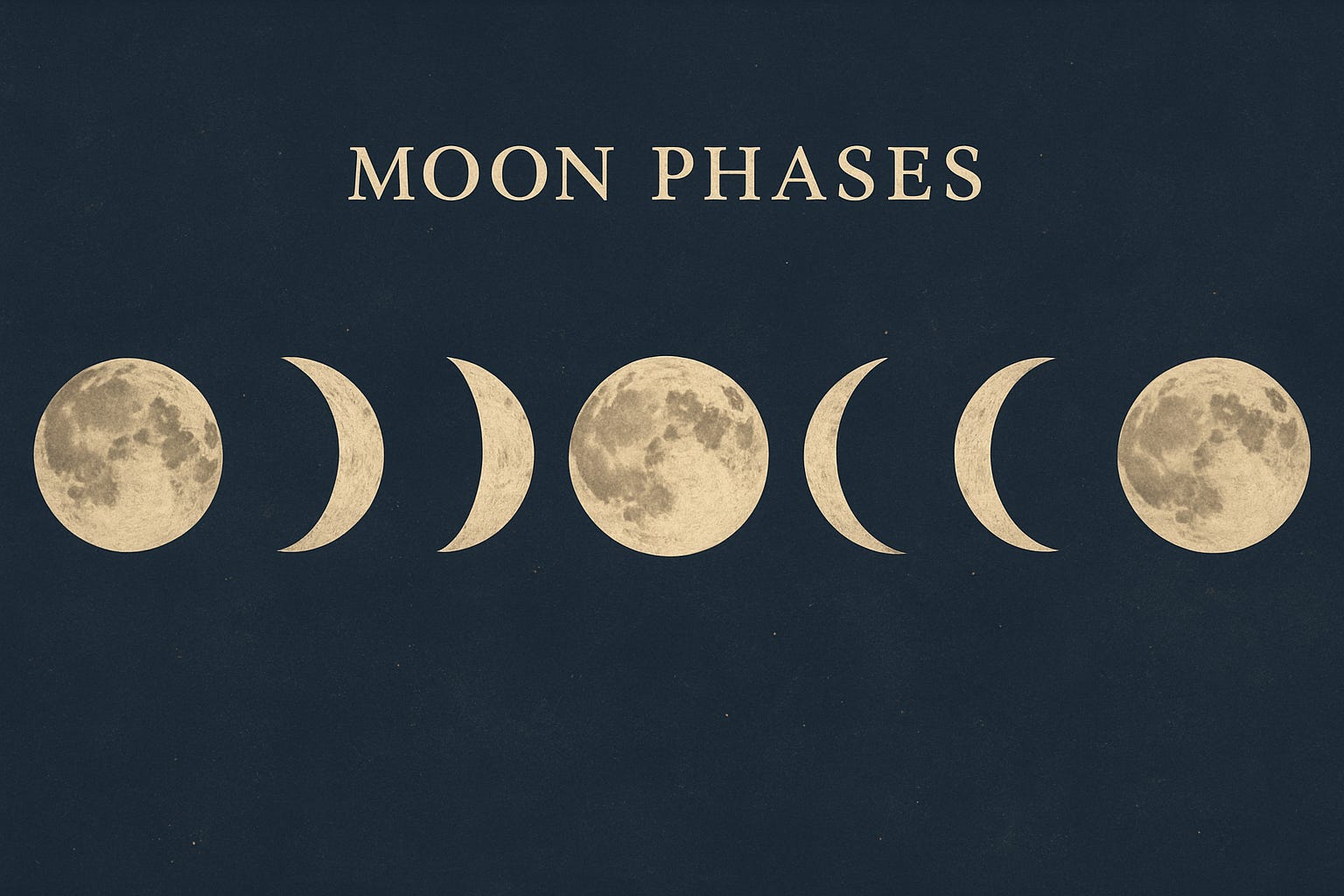
Just as sheep were shorn before fall in the old agricultural calendar, late summer has long been associated with the ritual trim; shedding sun-damaged ends to make way for stronger winter growth. The lunar timing layer adds another dimension.
The traditional guidance:
• Waxing moon (new to full): cut for thickness and growth; associated with a body in regeneration and building mode
• Waning moon (full to new): cut for maintenance, slower growth, reduced frizz and volume
The Science (and My Theory)
I’ll be honest with you: there are no conclusive peer-reviewed studies showing hair growth correlates with lunar phases. I looked. What we do know is that melatonin, estrogen, and other hormones fluctuate in response to light cycles; and a 1990 study by Dewan et al. showed that controlled light exposure can actually entrain ovulation in women, suggesting the moon’s light rhythms may influence biological cycles under certain conditions.
Here’s my theory, and hear me out.
Before modern lighting, everyone was synchronized with the moon. The light of the full moon was genuinely the brightest light available at night. Now, we’re all running on artificial schedules that have nothing to do with the lunar cycle; and our hormones are scrambled accordingly.
This is where lunestration comes in. The practice works like this: for twenty-five days of the lunar cycle, you sleep in complete darkness. For the three nights surrounding the full moon, you leave a dim light on in the hallway or bathroom; not bright enough to fully disrupt sleep, but enough that you notice it. This gradual light exposure re-entrains your hormonal cycle to the moon’s rhythm.
I have personally used this method, and it’s a powerful practice. Once your body is synced to the lunar cycle, I believe the waxing/waning logic for hair actually holds; because your body’s own regeneration and release rhythms are running on the same clock.
Waxing moon = growth, regeneration, building. Waning moon = release, slowing, maintenance.
Try it and tell me what you notice.
Aftercare Ritual: Oil, Braid, Rest
Once you’ve cleansed and treated, seal everything in. Apply a small amount of oil to damp ends; argan works beautifully for thicker hair, while finer hair does better with a lighter blend. Less is always more. Braid loosely before bed to prevent friction breakage overnight, and let your hair rest from heat through the transition into fall if you can.
Ritual in Practice
Pick one: a scalp detox, an herbal rosemary rinse, a lunar-timed trim, or a cold-rinse after your next shower. Note how your hair responds. These practices work cumulatively; small consistent rituals compound into real change over a season.
Share what you try with me on Instagram @christilanzhair or tag #RitualBeauty. I want to hear what the season is asking of your hair.
Want deeper seasonal beauty wisdom delivered each week? Subscribe to the Ritual Beauty Dispatch; a growing community of women syncing their self-care with the cycles of the earth, moon, and body.
References & Further Reading
• Rele, A. S., & Mohile, R. B. (2003). Effect of mineral oil, sunflower oil, and coconut oil on prevention of hair damage. Journal of Cosmetic Science,
• Dewan, E. M., et al. (1978/1990). Menstrual entrainment by periodic light stimulation. Studies supporting lunar cycle influence on biological rhythms.
• Panahi, Y., et al. (2015). Rosemary oil vs. minoxidil 2% for the treatment of androgenetic alopecia. Skinmed,
• Wacker, M., & Holick, M. F. (2013). Sunlight and Vitamin D: A global perspective for health. Dermato-Endocrinology, 5(1). https://www.ncbi.nlm.nih.gov/pmc/articles/PMC3897598/